with the rapid development of cloud computing technology, more and more enterprises and individual users are beginning to choose cloud servers as their hosting solutions. among many cloud service providers, south korea's lightweight cloud servers have received widespread attention due to their superior performance and relatively reasonable prices. this article will explore in detail the price and cost performance of lightweight cloud servers in south korea to help users make a more informed choice.
south korea's lightweight cloud server market is highly competitive, with many local and international service providers launching their own products. these lightweight cloud servers usually have the characteristics of rapid deployment, flexible expansion and high availability, and are suitable for small and medium-sized enterprises and developers. as users pay more attention to performance and price, major service providers continue to optimize their products to meet market demand.
the price of lightweight cloud servers is affected by many factors, including server configuration, bandwidth, storage type, and the brand influence of the service provider. generally speaking, lightweight cloud servers with basic configurations are more affordable, while high-performance server configurations are relatively expensive. in addition, some service providers also provide flexible payment methods such as on-demand billing and annual and monthly subscriptions to meet the needs of different users.
in the korean market, there are many well-known cloud service providers providing lightweight cloud server services. these include some large international brands and local service providers. each service provider has its own characteristics in terms of price, performance and after-sales service. users can compare according to their own needs when choosing. for example, some providers may excel in data transfer speeds, while others may have an advantage in technical support and stability.
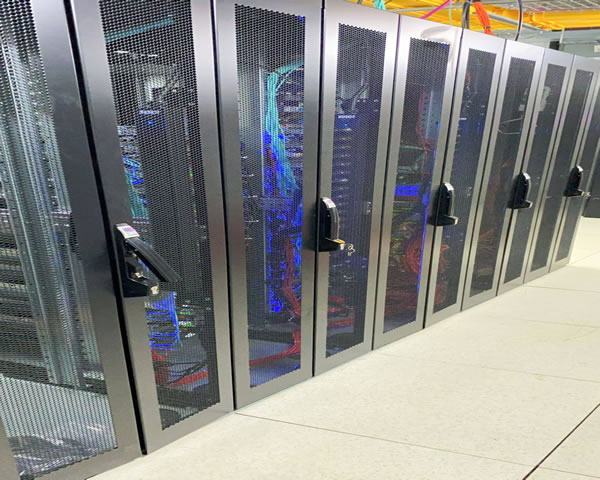
when choosing a lightweight cloud server, cost performance is one of the most important factors for users. users should comprehensively consider server performance, price, technical support and service reliability. first, analyze your own needs and clarify the required resource allocation and budget. then, use the price comparison tools of major service providers to conduct detailed comparisons to ensure that the selected server can provide the best performance and cost ratio.
through feedback and case analysis from multiple users, we can gain a deeper understanding of the actual performance of korean lightweight cloud servers. many users say that some providers' lightweight cloud servers maintain stable performance during peak periods, while others perform well in terms of user support. through these reviews, users can better judge which service providers can meet their needs.
to sum up, the price of korean lightweight cloud servers is quite competitive in the market, and its cost-effectiveness depends on the specific needs of users. when choosing, it is recommended that users clarify their own needs and conduct comprehensive market research and comparison to ensure that the selected service can not only meet performance requirements but also be within the budget. i hope this article can provide you with valuable reference when choosing a korean lightweight cloud server.
- Latest articles
- Popular tags
-

A Must-read For Corporate Decision-makers: How Much Does A Korean Cloud Server Cost? Suggestions On Weighing Against Service Quality Assurance
A must-read for corporate decision-makers: Focusing on the question "How much does a cloud server cost in South Korea?", it analyzes the cost structure, performance and compliance requirements, and provides practical suggestions on the trade-off between price and service quality to help companies make rational purchasing decisions. -

Analysis Of The Characteristics And Usage Scenarios Of Korean Native Server Cloud
This article deeply analyzes the characteristics and usage scenarios of Korean native server cloud, providing reference for users to choose suitable cloud services. -

How About Startup Companies Choosing Korean Private Vps To Achieve Low-cost Overseas Deployment?
discuss the feasibility, network and latency advantages, compliance and security considerations, deployment and operation and maintenance suggestions for startups to choose korean private vps for low-cost overseas deployment, and help make measurement and implementation decisions.